
Roche is one of the world's largest biotech companies, and one of the most trusted names in diabetes care. When the market shifted beneath them, they didn't retreat - they asked harder questions: what does it actually take to improve patient outcomes? Can we even work towards preventing progression to insulin treatment altogether?
We helped Roche and their partners develop SimPLE (Simulated Progression and Lifestyle Education) - a digital twin based platform to help healthcare providers (HCPs) better understand the complexity of patient lifestyles, and demonstrably improve patient outcomes.
The challenge.
Type 2 diabetes is one of the most preventable chronic conditions in the world. It is also one of the most costly – to patients, to healthcare systems, and to the organisations that support them.
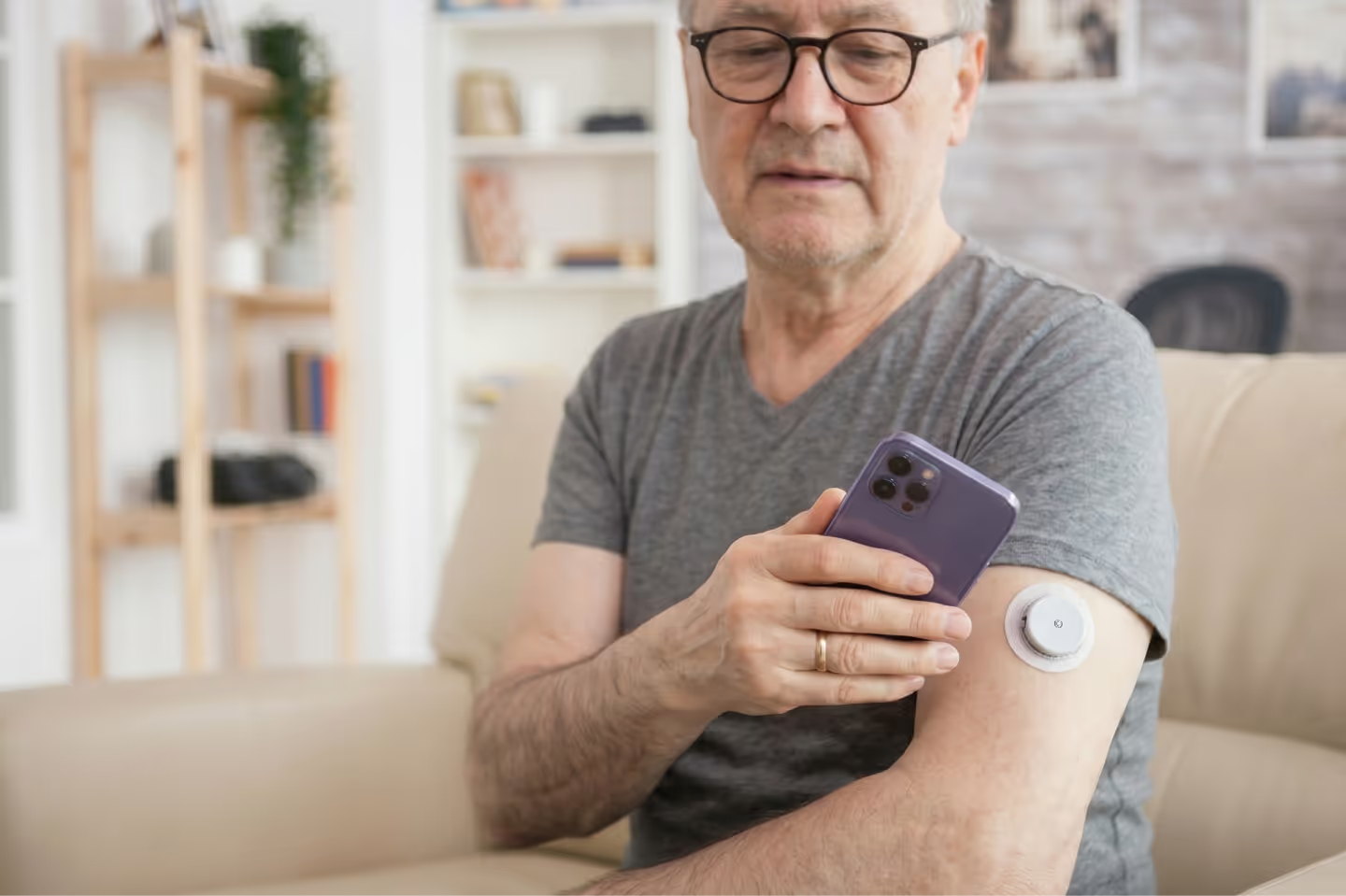
For Roche, the challenge was as much commercial as it was clinical. Their core diabetes product - single-use blood glucose testing strips - faced an uncertain future as Continuous Glucose Monitoring technology (CGM) became more accessible. With CGM reducing the need for consumables, Roche needed a new way to remain relevant and valuable to the patients and clinicians they had built their reputation with.
The answer wasn't a new product, it was a fundamentally different kind of relationship with patients - one built around long-term outcomes, not point-of-care transactions.
The approach.
Our research with patients revealed something important about those who had successfully managed their condition: behaviour change didn't happen gradually – it happened at a moment of clarity, typically when a patient understood, in concrete terms, what their current trajectory meant for their future.
That insight became the foundation of the solution. Partnering with PwC, we brought Bodylogical™ – their existing data analytics platform – into direct dialogue with the patient experience. What was created was more than the sum of it’s parts: a diabetes digital twin. A simulation model built from each patient's biomarkers, medications, demographic and lifestyle behaviours – capable of predicting how their condition would evolve over time.
We led the process across the full lifecycle - conducting user research, validating solution concepts, designing the UI and interaction flows, and running usability testing to evaluate both the clinical model and the patient and HCP experiences with the product.
The solution.
The platform – SimPLE – gave diabetes coaches and healthcare providers a new kind of clinical tool, split across two complementary products.
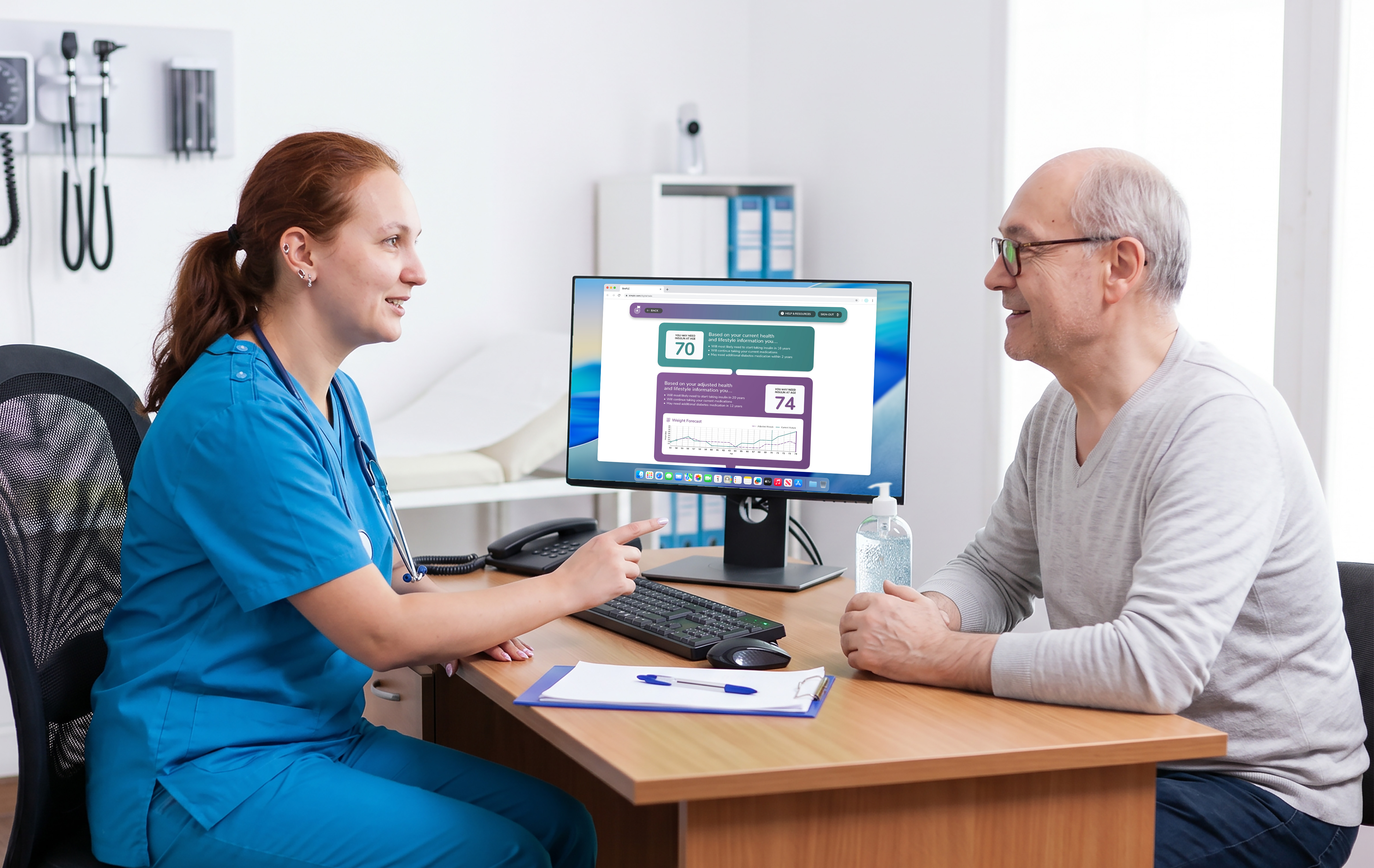
SimPLE Pro was built for coaches and educators. In a collaborative session, a coach could enter a patient's health information and run a personalised progression forecast – showing the patient a concrete prediction of when, based on their current behaviours, they might require additional medications or insulin therapy. Coaches and patients could then model the impact of lifestyle adjustments in real time, turning abstract clinical risk into a visible, motivating comparison.

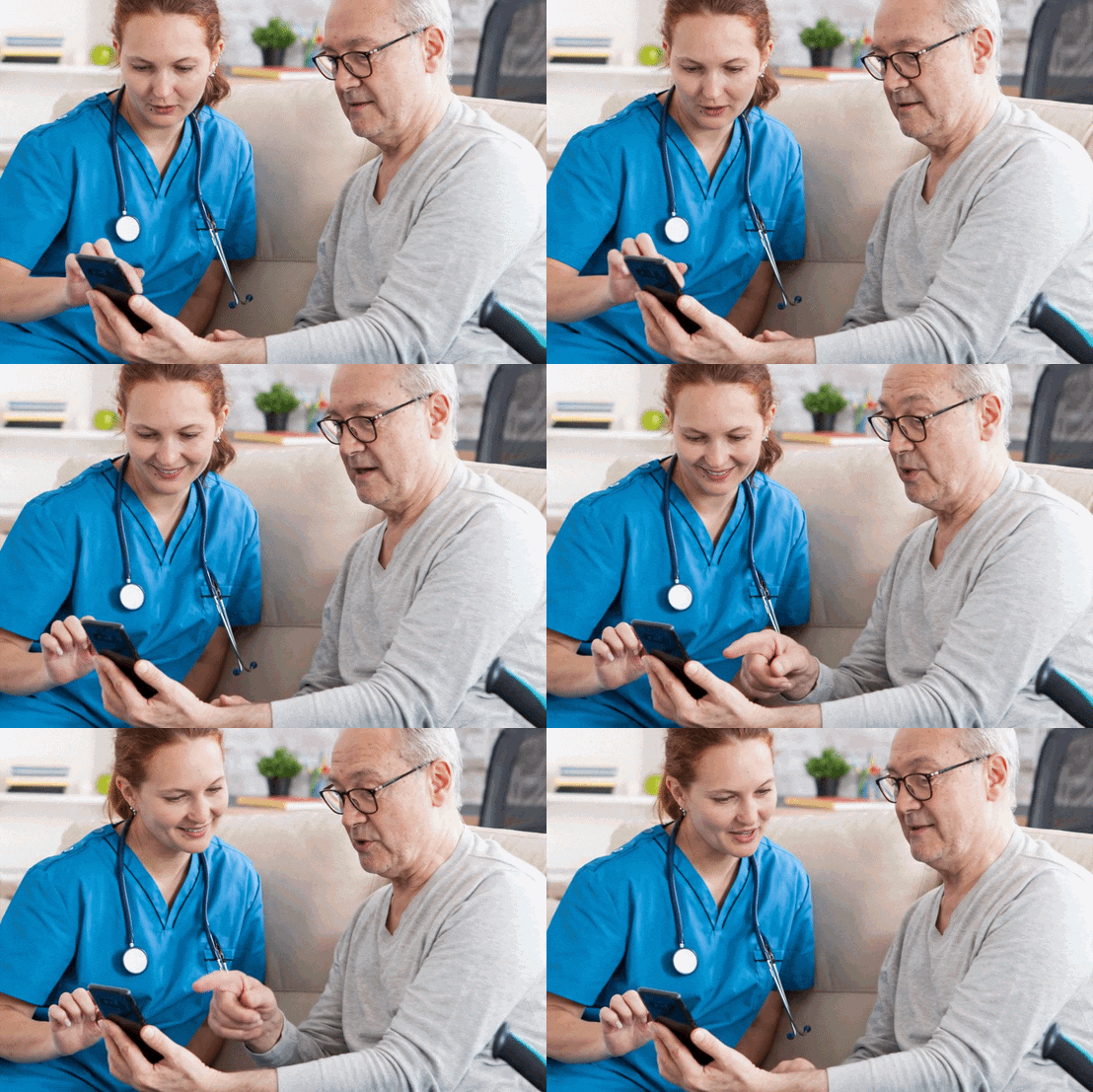
The patient-facing SimPLE app extended that relationship between appointments. Key capabilities included:
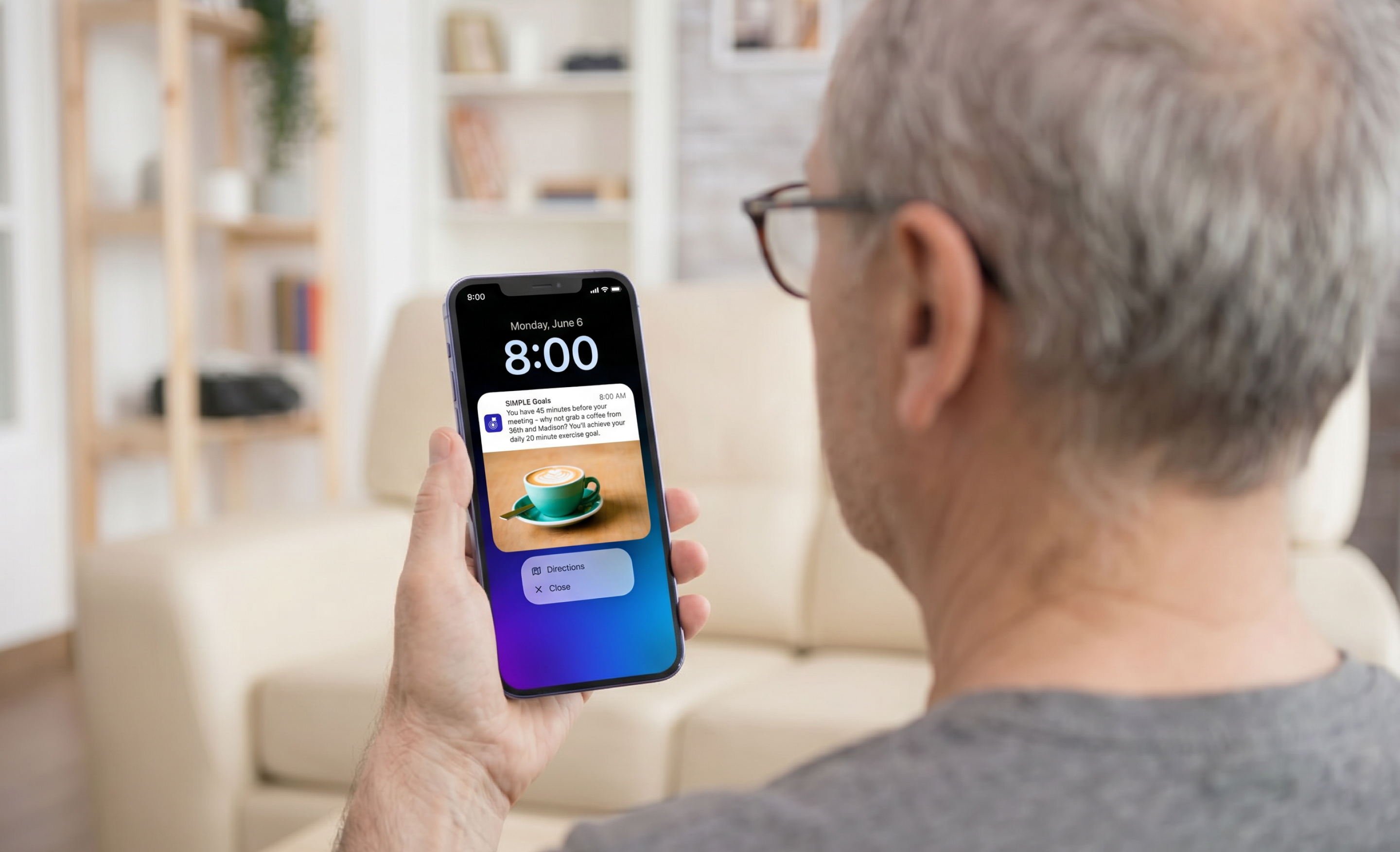
- AI-powered nudges – context-aware recommendations delivered at opportune moments, based on the patient's location, calendar and daily behaviour patterns
- SMART goal tracking – goals created collaboratively with the coach, visible and actionable in the patient's pocket
- Remote monitoring – coaches could see patient progress between sessions, message encouragement, and intervene early if engagement dropped
- Biometric integration – wireless connection to weight scales and blood glucose meters, feeding real-world data back into the progression model
The outcomes.
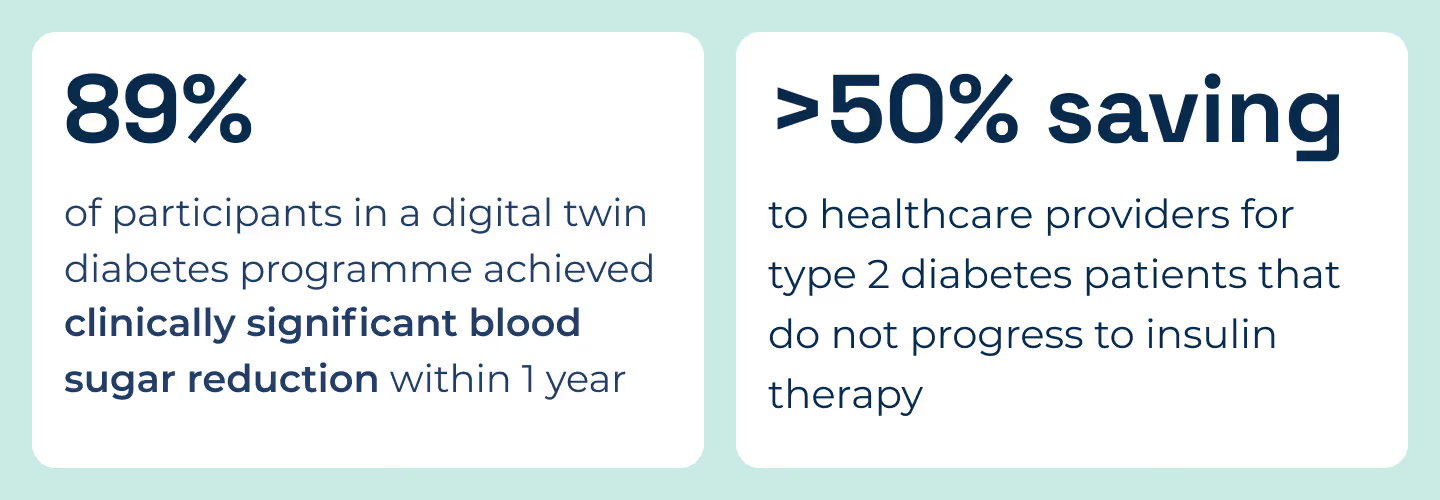
More than half of the Type 2 diabetes patients who trialled the platform reported medically significant reductions to their HbA1c - the key measure of long-term blood sugar control. Research into comparable digital twin programmes has shown that 89% of participants* can achieve clinically meaningful blood sugar control within one year, alongside a significant reduction in anti-diabetic medication use.
The shock of seeing their own health trajectory - made real and personal through the digital twin - proved to be one of the most effective motivators of sustained behaviour change we have observed.
For Roche, the outcomes extended beyond the clinical. By repositioning from consumables supplier to long-term outcomes partner, they established a credible, differentiated role in a market that was shifting beneath them - and a model of patient support that created durable value for commissioners, clinicians and patients alike.