


For people managing diabetes with insulin, what they eat is a clinical decision - not just a lifestyle one. Getting the carbohydrate count wrong doesn't just affect energy levels; it affects blood glucose, bolus dosing, and in some cases, patient safety.
Research shows that bolus miscalculation – most commonly caused by carbohydrate estimation errors – accounts for more than a quarter of all hypoglycaemic events in insulin-dependent patients* – yet the tools most patients rely on haven't meaningfully changed in decades.
*Source: https://link.springer.com/article/10.1007/s13300-023-01403-7
The challenge.
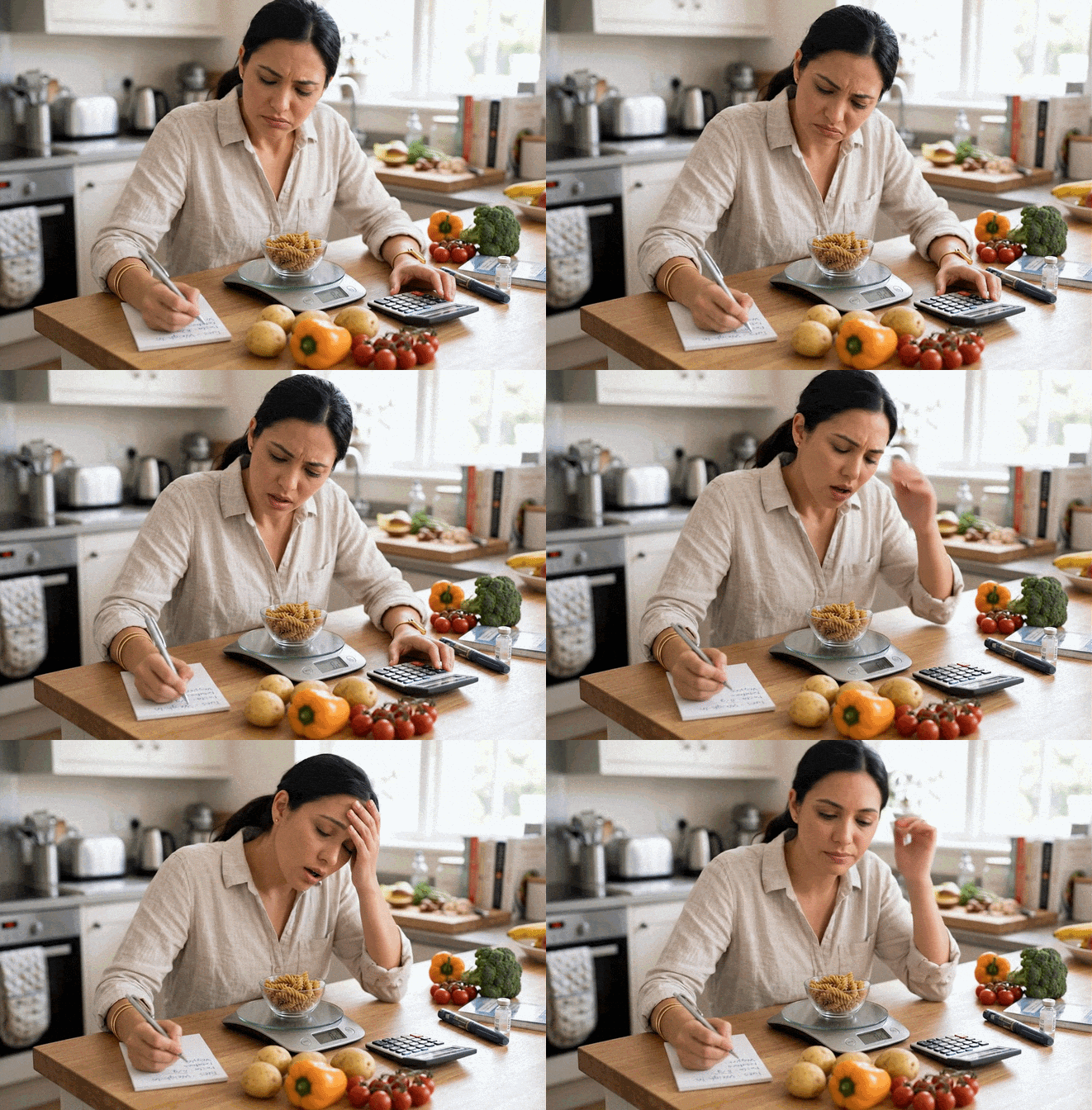
Carb counting is a critical task for diabetes patients managing their condition with insulin. Every meal requires an estimate of the carbohydrate load, which is then used to calculate the appropriate bolus dose of insulin. Get it right, and blood glucose stays within a safe range. Get it wrong - in either direction - and the consequences can range from fatigue and discomfort to a serious hypoglycaemic event.
The problem is that accurate carb counting is tiresome and genuinely difficult. Food labelling is inconsistent, portion sizes vary, and meals prepared at home or in restaurants rarely come with nutritional information attached. Most patients rely on memory, experience, or printed reference tables that are both time-consuming to consult and difficult to apply to real-world eating situations.
Roche came to us with a clear brief: remove that burden. The solution needed to be fast, accurate, and simple enough to fit into the way patients actually live – not the way clinical guidelines assume they do.
The approach.
We began by spending time with diabetes patients to understand not just the task of carb counting, but the emotional context around it. What we found was consistent: the burden wasn't only cognitive, it was confidence. Patients weren't just unsure of the numbers; they were unsure of themselves.
That insight shaped everything that followed – a solution that produced an estimate but left the patient uncertain had failed, regardless of whether the number was accurate. The experience needed to feel authoritative, reassuring, and genuinely easy to use.
We led the process across research, concept validation, UX and UI design, and usability testing – ensuring that the clinical model and the product experience were evaluated together, not in isolation.
The solution.
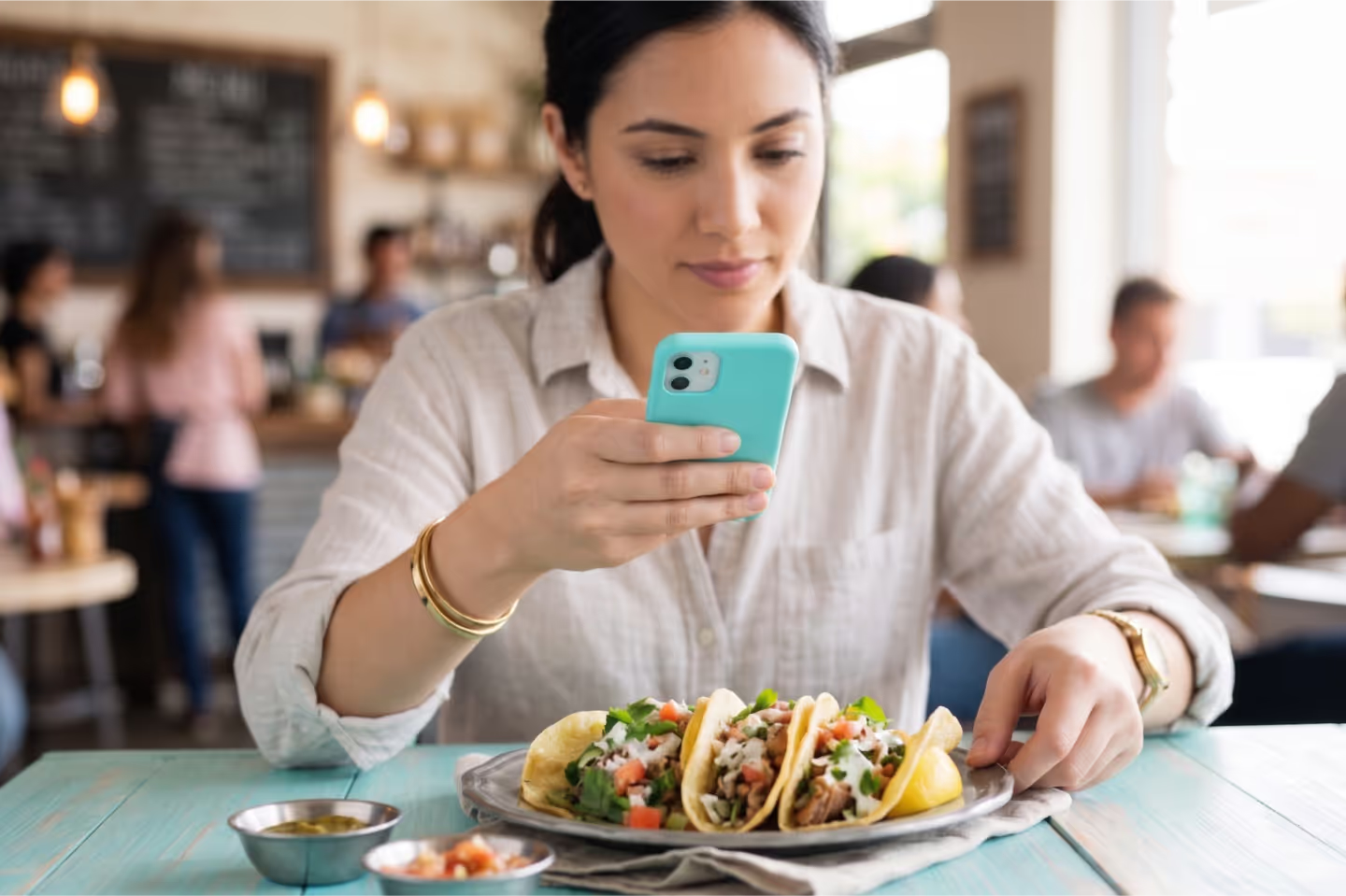
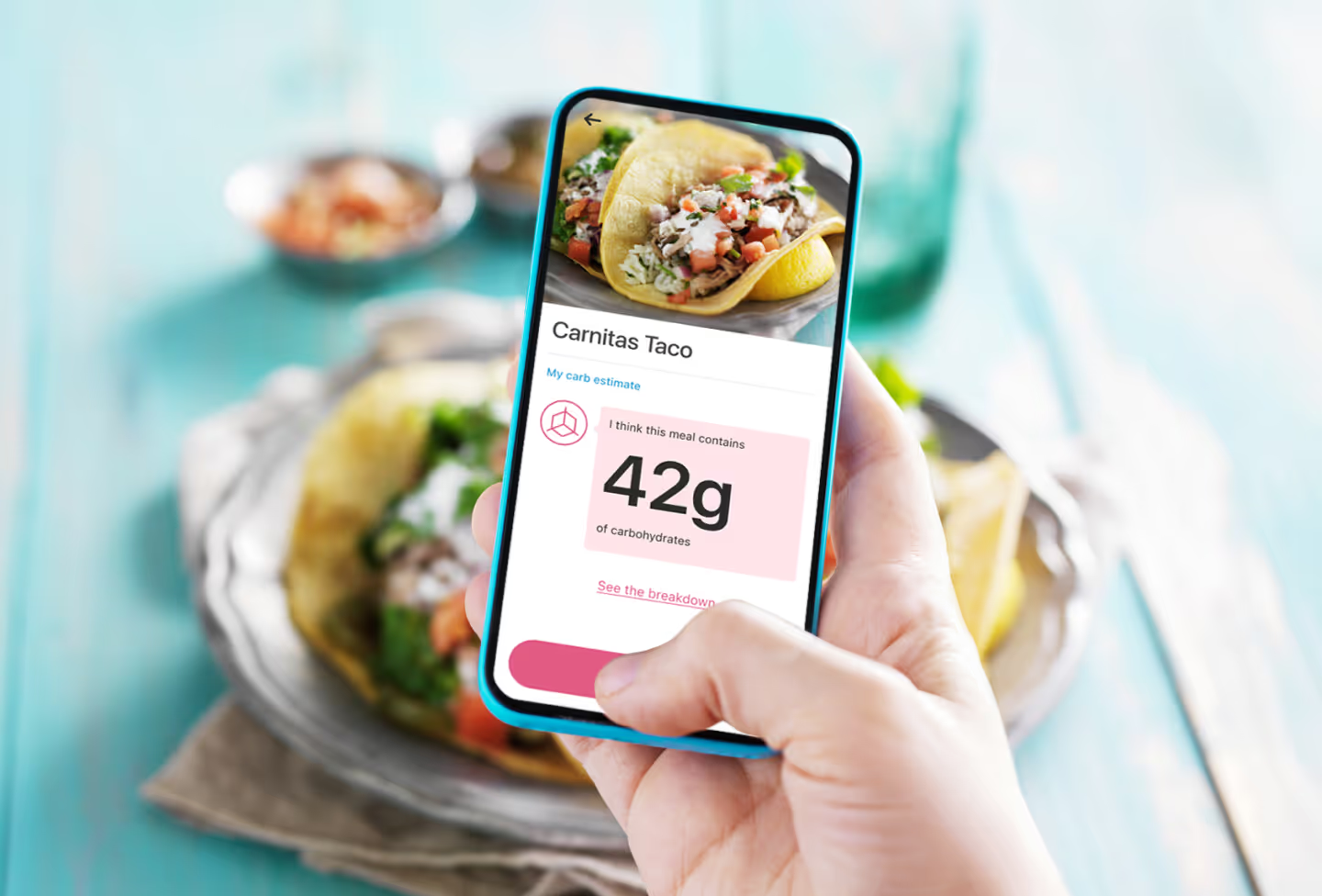
The result was a smartphone application that uses AI image recognition to identify a meal - and the individual food items within it - from a single photograph. Key capabilities included:
- AI image recognition - patients photograph their meal and the app automatically identifies each food item present, removing the need for manual logging or reference table lookup
- Machine learning carb estimation - algorithms calculate the carbohydrate content of each component and produce a total estimated carb value for the meal; crucially, the model improves over time as it learns from patient usage patterns
- Personalised bolus recommendations - combining the meal's carb estimate with the patient's biometric data and inputted basal profile, the app generates a personalised insulin bolus recommendation suited to that individual's therapy
- HCP data integration - the app maintains a detailed log of carb intake alongside CGM and basal/bolus data, delivered directly to HCP portals so clinicians can make more informed therapy decisions during consultations
The outcomes.
Eight out of ten patients who participated in the pilot said they would continue using the app beyond the trial period – a strong signal not just of usability, but of genuine value in daily life.
For patients, the shift was less about accuracy than it was about confidence. Knowing that a reliable estimate was a photograph away changed the relationship with mealtimes – from a source of anxiety to something manageable.
The moments where patients told us they finally felt in control of their condition – not just managing it, but understanding it – were among the most meaningful outcomes we observed.
For HCPs, the benefit was a richer, more continuous picture of patient behaviour between appointments. Rather than relying on recalled estimates during consultations, clinicians had access to a structured data log that made lifestyle conversations more specific, more productive, and easier to act on.
For Roche, the project demonstrated a consistent pattern: when patients are given tools that genuinely reduce the cognitive load of self-management, clinical outcomes and patient confidence improve together.

